Your toddler is screaming. A full-body, red-faced, Olympic-level performance. You’ve offered snacks, checked the nappy and suggested seventeen Montessori-inspired activities. Nothing. And now the thought creeps in: “Is this because they’re bilingual? Have I broken my child by teaching her two languages?”
Here’s what you need to know: bilingual children reach their early language milestones at the same age as monolingual kids (Cambridge University Press, 2024). They don’t have more tantrums. They’re not ‘confused.’ And no, you haven’t broken anything.
In fact (and this is the genuinely brilliant bit), research on bilingualism and self-control suggests that raising a bilingual child may be strengthening the very brain systems responsible for emotional regulation and self-control. Yes, really.
TL;DR: The Short Answer
- Bilingualism does not cause language delays or increased tantrums. 1
- Managing two languages strengthens executive function (the brain’s control centre).2
- Stronger inhibitory control supports emotional regulation. That’s the pause before they throw things3.
- Managing two languages strengthens cognitive flexibility — the mental skill that helps children adapt to new rules and shift strategies.4
Do Bilingual Toddlers Have More Tantrums?
Emotional regulation is the ability to pause before impulse and reaction. That magical split second before you do the thing you’re thinking about doing. For adults, that looks like you’re not sending that passive-aggressive email at 11:47 pm when you’re absolutely fuming. For toddlers, it looks like not biting when someone nicks their favourite toy, waiting (however briefly) for a turn on the slide, using actual words instead of launching a shoe across the room.
The brain systems behind all this are called “executive functions”, and they include:
- Inhibitory control (the ability to stop yourself)
- Working memory (holding information in your mind)
- Cognitive flexibility (switching between different rules or strategies)
And this is where bilingualism gets interesting.
What the Research Shows About Bilingual Brains and Self-Control
1. No Developmental Delay
A 2024 Cambridge University Press review confirmed: bilingual children reach their early language milestones at the same age as monolingual children. Two languages do not equal delayed development. It simply means their vocabulary is distributed across both languages rather than piled into one. That reassurance alone should cancel out at least three of those 3am Google panic searches.
2. Stronger Working Memory
The Journal of Experimental Child Psychology5 published research on working memory development in monolingual and bilingual children, finding measurable advantages in bilingual children’s working memory systems. Working memory is what helps children hold rules in mind whilst doing something else, remember instructions (well, sometimes), and pause before reacting to situations.
That’s not just academic achievement; that is playground survival skills.
3. Executive Function Gains in Preschoolers
A 2024 study titled ‘Bilingualism Modulates Executive Function Development in Pre-School Aged Children’ found that bilingual experience genuinely supports development in executive control systems.
Managing two languages requires children to constantly select which language to use, suppress the other one (not always successfully, bless them), and switch depending on who they’re talking to. This is why bilingual language switching is cognitive flexibility in action. And cognitive flexibility is fundamental to emotional resilience.
4. Inhibitory Control and Emotional Regulation
Research from NYU Steinhardt on early bilingualism reveals clear links between bilingual experience and inhibitory control. Your child uses inhibitory control to stop themselves from saying the wrong word in the wrong language or switch from ‘agua’ to ‘water’ when talking to Grandma. The same system helps them to stop themselves from hitting when they’re angry, pause before letting out a scream, or regulate their frustration when things don’t go their way.
5. Conflict Monitoring and Perspective-Taking
Earlier research published in the Journal of Experimental Child Psychology found that bilingual children often perform better on conflict-monitoring tasks. Conflict monitoring is the skill that helps a child notice: ‘Hang on, this isn’t working. I need to try a different strategy.‘ That skill is absolutely crucial during emotional moments.
It also supports perspective-taking – understanding that different people speak differently, think differently, and react differently. Which, frankly, is pretty advanced emotional intelligence for someone who still thinks socks are entirely optional.
Related: The One Parent One Language Method: Does It Work, and What Happens When It Doesn’t?
How to Strengthen the Emotional Toolkit at Home
Right, let’s get practical. Here’s what you can do to help your bilingual child manage your emotions.
1. Label Emotions in Both Languages. ‘Frustrated.’ ‘Arrabbiata.’ ‘Angry.’ ‘Enfadado‘. Emotion vocabulary directly expands regulation capacity. You genuinely can’t manage what you can’t name.’
2. Model the Pause Out Loud. ‘I’m feeling really cross right now. I’m going to take a deep breath before I respond.’ Say it out loud every time. Thus, you’re wiring their emotional regulation template by showing them how it’s done.
3. Name the language before you name the feeling. Before labelling the emotion, state the language: “In Italian, we say arrabbiata — that means angry.” This dual naming creates a richer emotional vocabulary and gives your child a concrete anchor in both languages. It works best at calm moments, not mid-tantrum. Practice it during books, in the bath, at mealtimes — any low-stakes moment
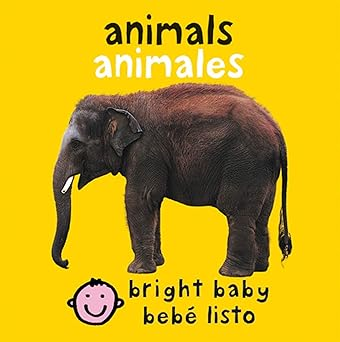
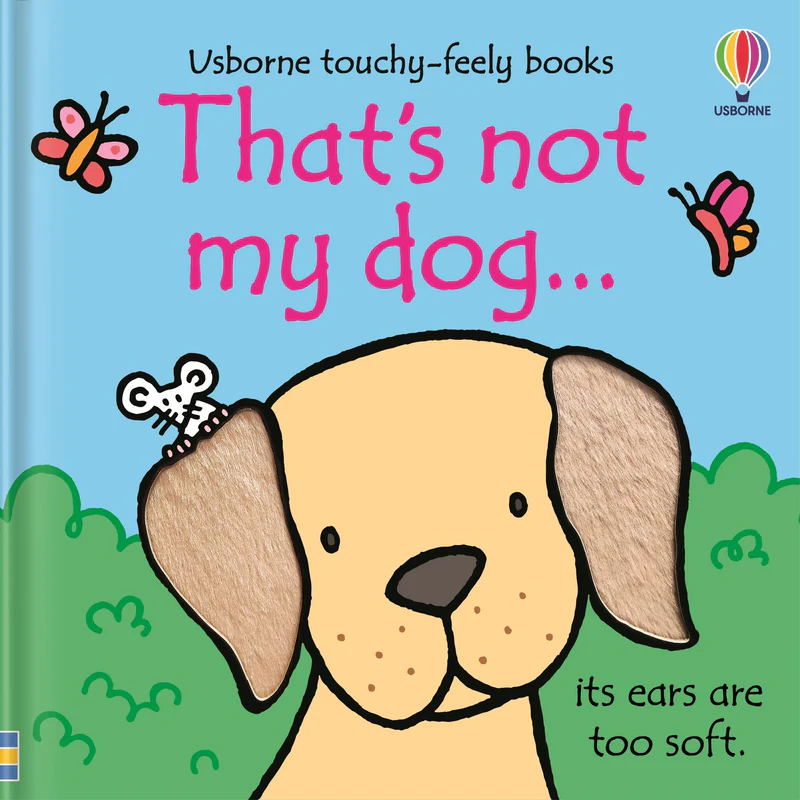
4. Use storytime as a feelings rehearsal. Bilingual picture books are one of the most underused tools for emotional regulation. When a character in the book feels sad or frustrated, pause and ask what word they would use for that feeling in each language. You are not drilling vocabulary — you are building the habit of naming emotions across both linguistic systems, which is the foundation of regulation.


Key takeaways
You are not making their lives harder by raising them with two languages, nor confusing them. You are not creating extra tantrums. What you are doing is giving them cognitive flexibility that will serve them for life, working memory training disguised as normal conversation, and perspective-taking skills that many adults still haven’t mastered.
And through natural bilingual language switching, they are constantly exercising their brain in subtle but powerful ways. Every time your child chooses one language and suppresses another, they are practising the same mental brake system required to pause before reacting emotionally. And you built that.
Related: How to Set Up a Bilingual Home Environment for Your Newborn
FAQ
Do bilingual toddlers have better emotional regulation?
Not magically, not instantly, and not in the middle of a supermarket meltdown. But possibly, over time, yes. Not every study finds dramatic differences. The size of the effect depends on proficiency, environment, and how actively both languages are used. But there is consistent evidence that juggling two languages exercises the brain systems responsible for self-control.
Does mixing languages mean my toddler is confused?
No. When a bilingual child mixes languages, sometimes called code-switching. It is a sign of normal, healthy development. Research shows bilingual children distinguish their languages from very early on. The mixing happens because both languages are active in their brain simultaneously, and the stronger word simply wins in the moment.
Do bilingual children have more tantrums than monolingual children?
No. Research published in the Journal of Child Language (Cambridge University Press, 2025) confirms that bilingual children reach emotional and language milestones at the same age as monolingual peers. Tantrums are driven by age, temperament, and tiredness, not by the number of languages a child hears.
At what age does bilingual language switching benefit self-control?
The evidence suggests benefits begin emerging from around 24 months. A study in the Journal of Experimental Child Psychology found measurable executive function advantages in bilingual 24-month-olds compared to monolingual peers, with stronger effects appearing across more tasks as children move into the preschool years.
Does switching languages reduce tantrums?
No. All toddlers have tantrums. Switching languages does not override hunger, belly aches, tiredness, or the tragedy of the broken biscuit. But over time, bilingual experience may support faster recovery, better impulse management, greater flexibility in social situations. Think long-term wiring, not instant calmness.
- Bilingual children reach early language milestones at the same age as monolingual peers (2025). Journal of Child Language. Cambridge University Press. ↩︎
- Bilingualism Modulates Executive Function Development in Pre-School Aged Children: A Preliminary Study (2014). Biorxiv (preprint). ↩︎
- The Impact of Early Bilingualism on Inhibitory Control and Emotional Regulation. (2013). Online Publication of Undergraduate Studies. ↩︎
- Bilingualism and the Development of Executive Function: The Role of Attention (2015) ↩︎
- Working memory development in monolingual and bilingual children (2013). Journal of Experimental Child Psychology ↩︎
About Author
Maria Ivanova is a bilingual parent raising a two-year-old in multiple languages in the UK. She’s not a qualified professional, and everything here comes from her real experience. The content provided here is for informational and entertainment purposes only and should not be considered professional advice. If you have concerns about your child’s language development or any developmental milestones, please consult with qualified professionals.
By reading this blog, you acknowledge that you are responsible for your own parenting decisions and that this site is not liable for any outcomes resulting from information shared here.