Double the Words, Double the Love: Creating a Bilingual Home Environment for Your Newborn
So, you’ve got a newborn. You’ve been exhausted and sleep-deprived for weeks. And somehow, in the middle of the chaos, you’ve thought: “Yes. Let’s raise this tiny human bilingually!”. The good news is that setting up a bilingual home doesn’t require lessons, schedules, alphabet posters, or constant talking. For newborns, it’s about consistent exposure in everyday moments: feeding, changing, settling, and surviving the day.
This guide shows you how to create bilingual home for your baby (even a newborn) room by room, using things you’re already doing.
TL;DR
- Newborns absorb the music and rhythm of language before understanding words.
- Consistent exposure in daily routines (feeding, nappy changes, bedtime) is a key in building bilingual foundations.
- Start immediately. After birth is the easiest time (no resistance, no self-consciousness).
- You don’t need perfection or fluency; you need consistency in specific spaces and moments.
- One parent speaking one language is enough to make a difference.
What a Bilingual Home Environment Means and Why it Works
A bilingual home environment is about regular, meaningful exposure to more than one language in daily life. Newborns aren’t learning words yet. They’re learning the music of language and the rhythm of voices.
Every language has its own music, called prosody. It is the mix of melody and rhythm, which newborns can use to tell languages apart long before they recognize individual sounds or syllables.1
Research on early bilingualism2 shows that babies exposed to multiple languages from birth can distinguish between languages very early, are not delayed in speech, and benefit cognitively in the long term. But practically speaking, this works because it fits into real family life. You don’t need to do more. You need to do a few things often enough.
The Room-by-Room Guide
The Living Room: Where Language Just Exists
This is where most of your life will happen. Feeding, rocking, sitting down “for a second”. What you can do:
- Build heritage-language time into daily schedules such as feeding, rocking, or playing
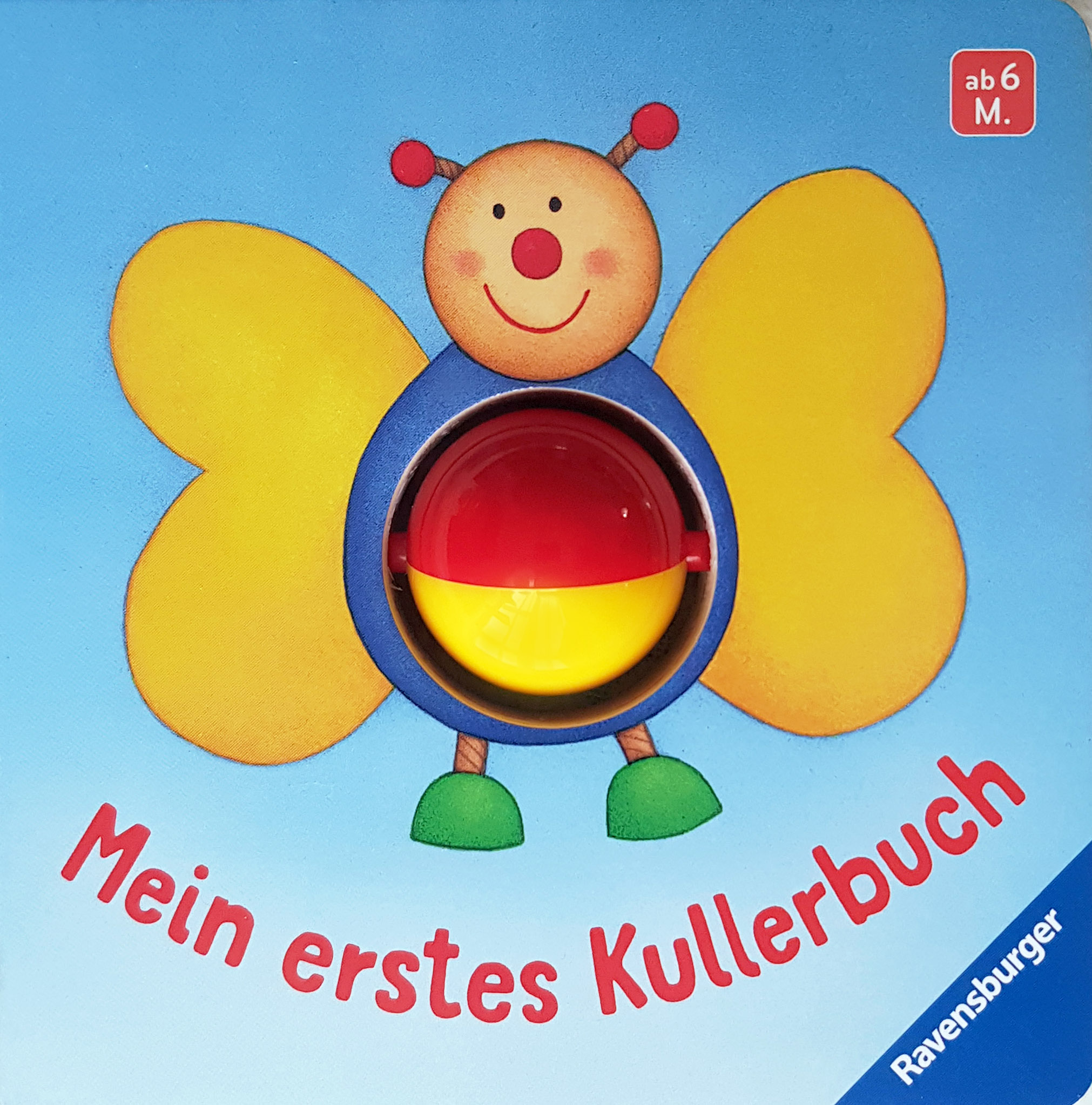
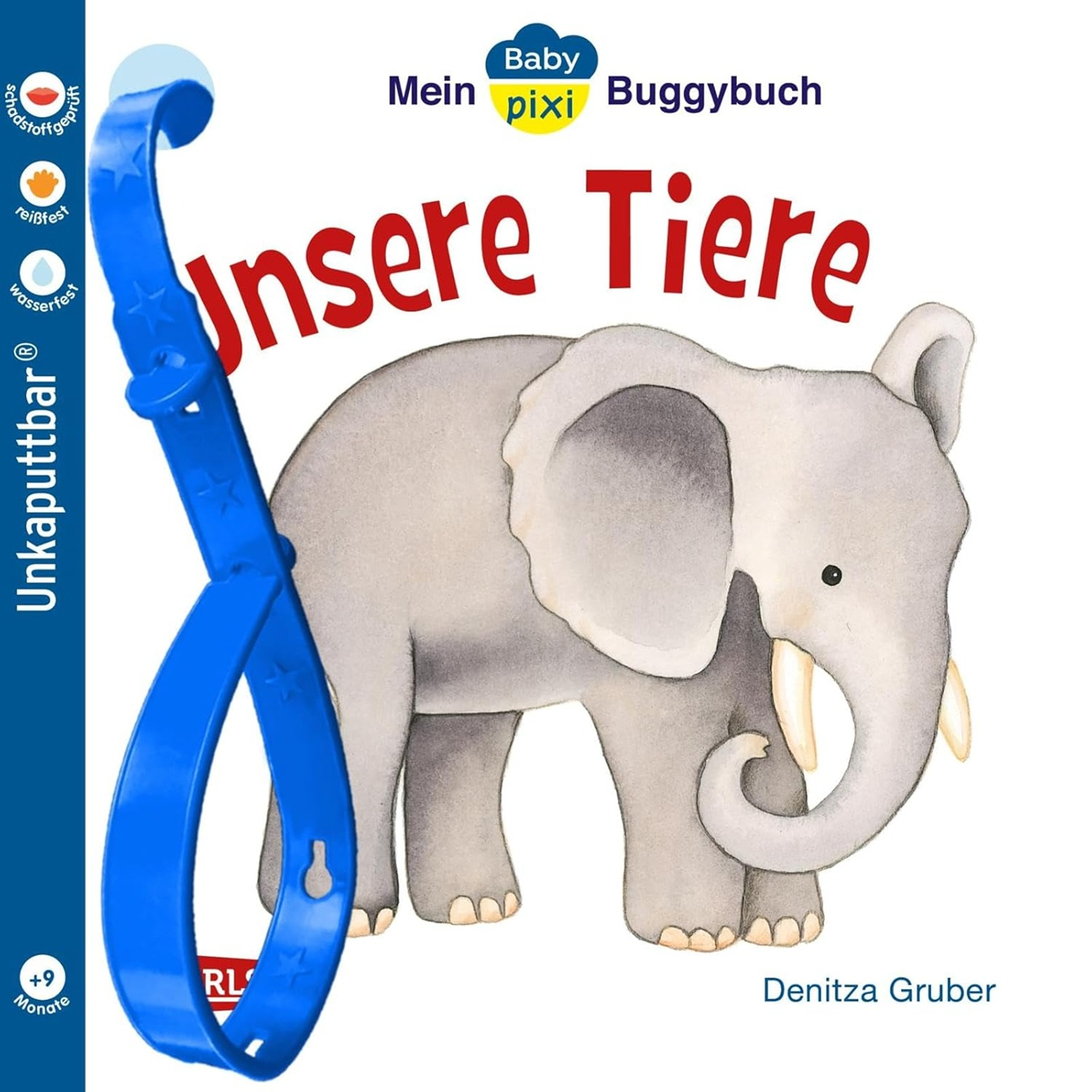
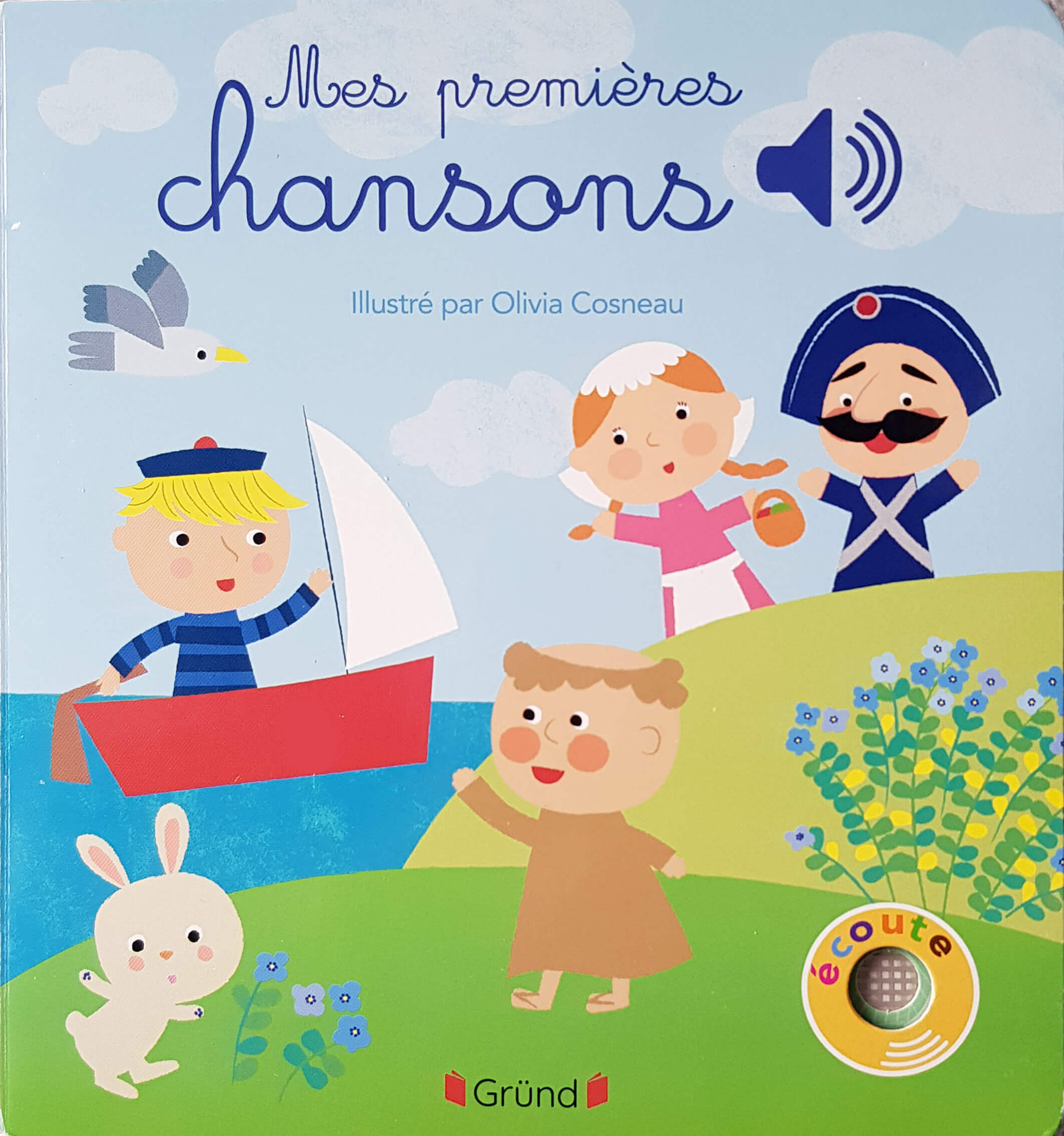
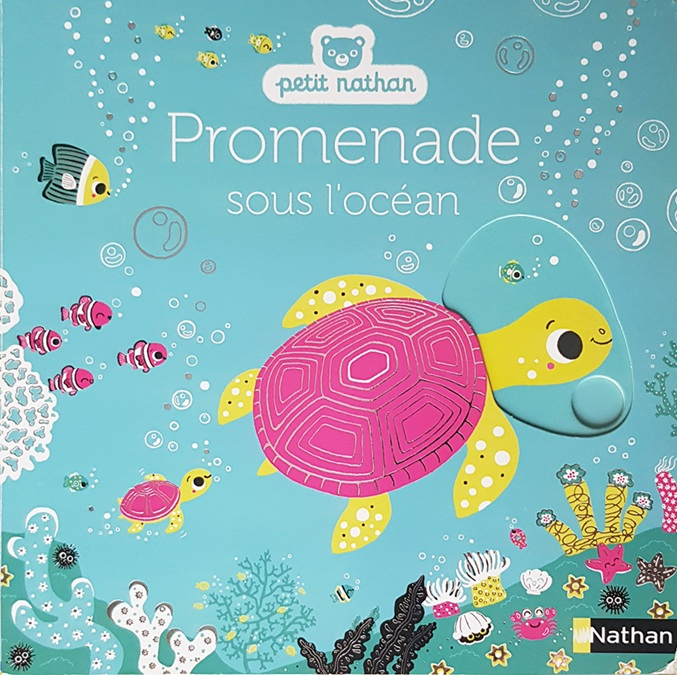
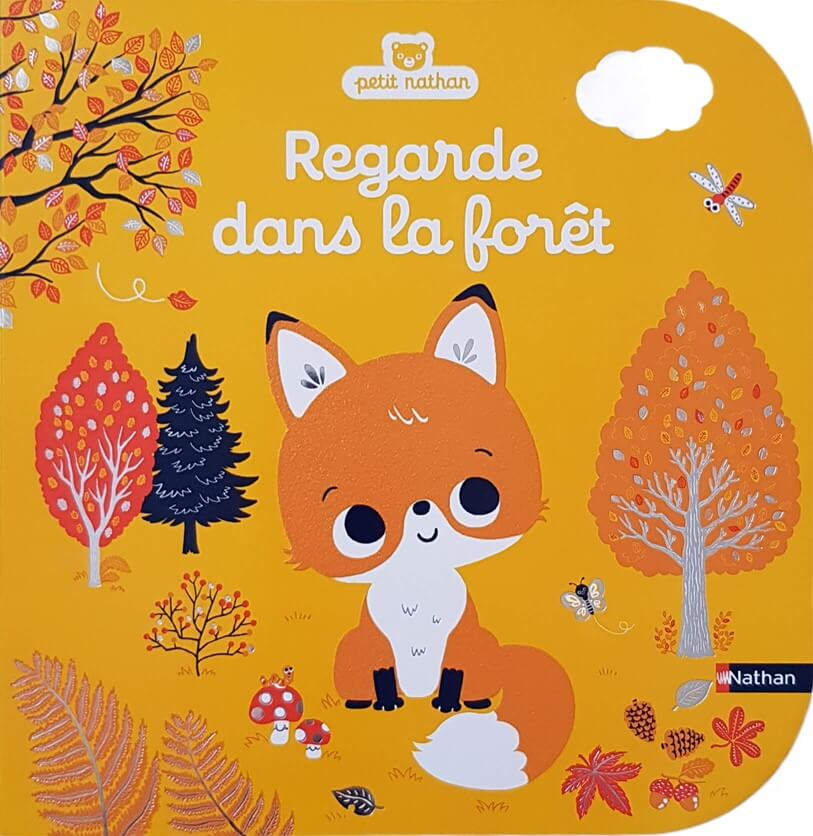
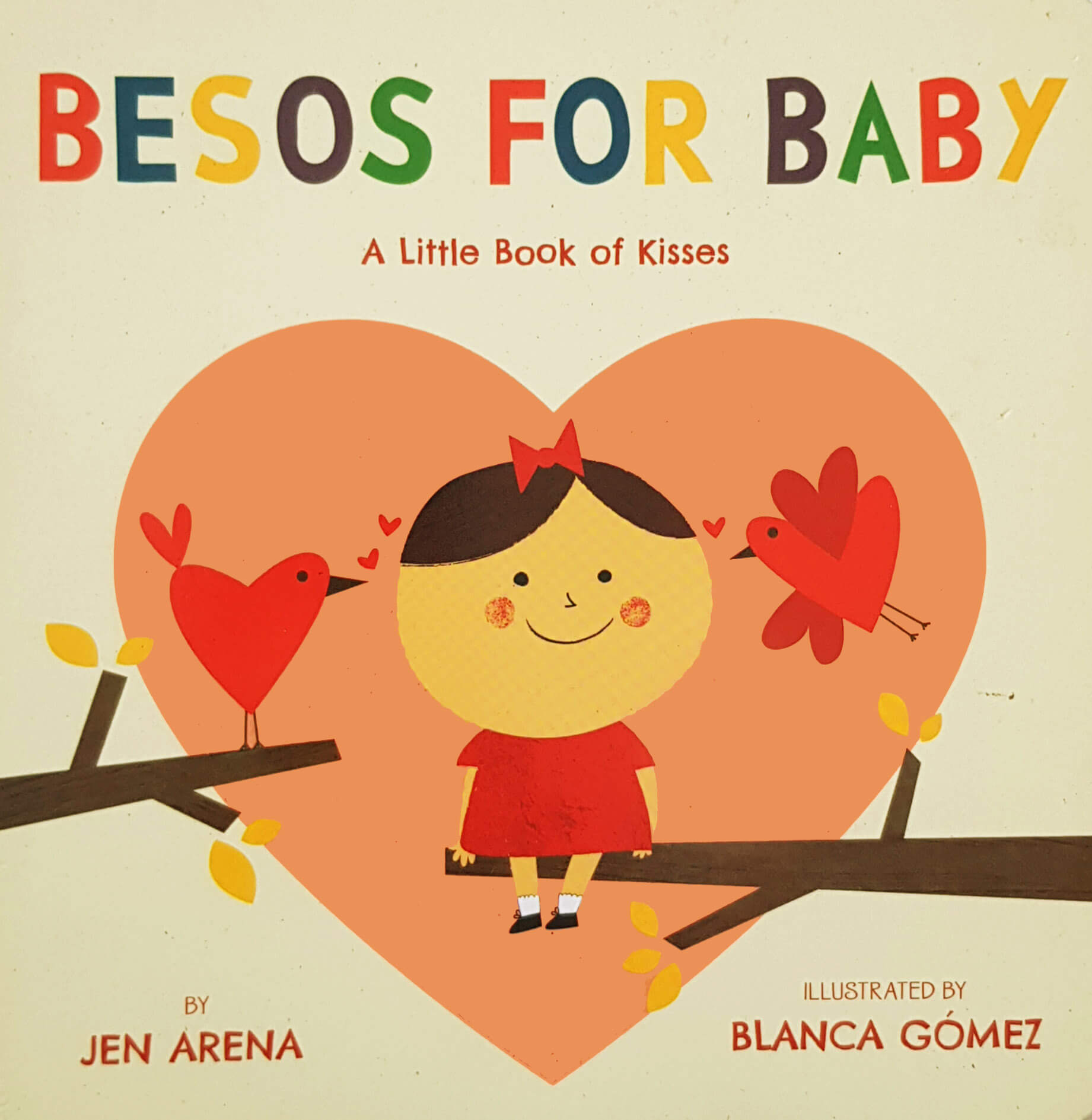
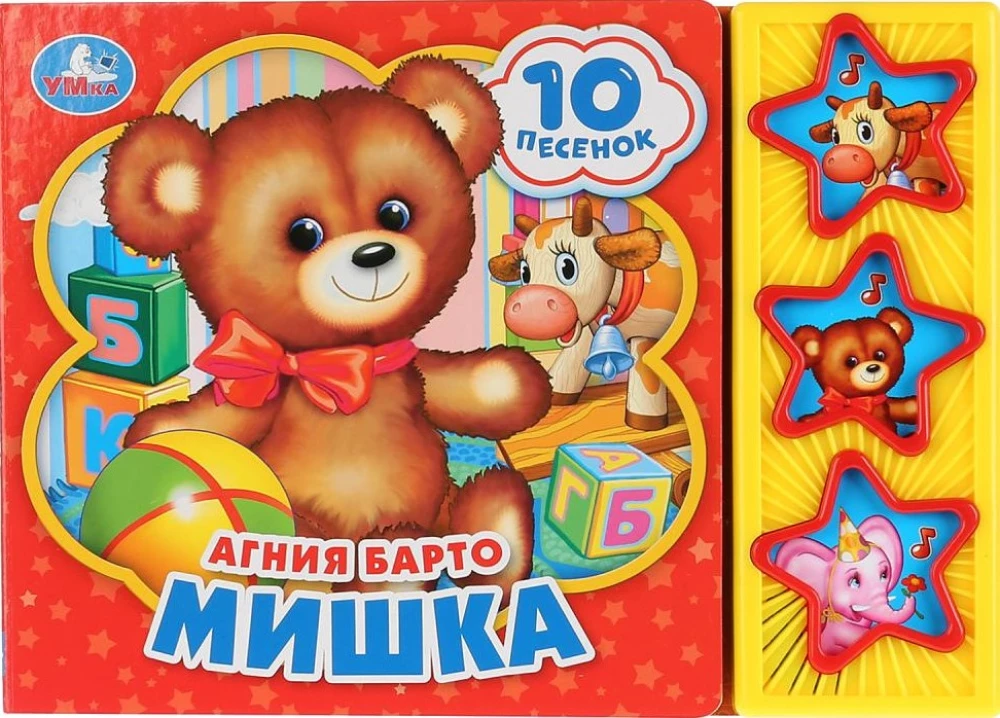
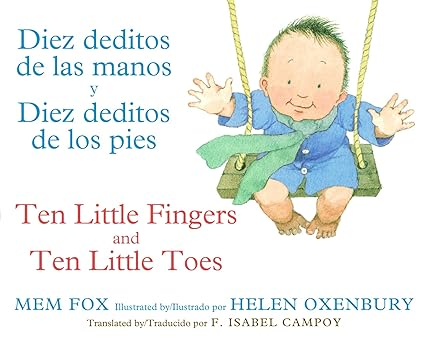
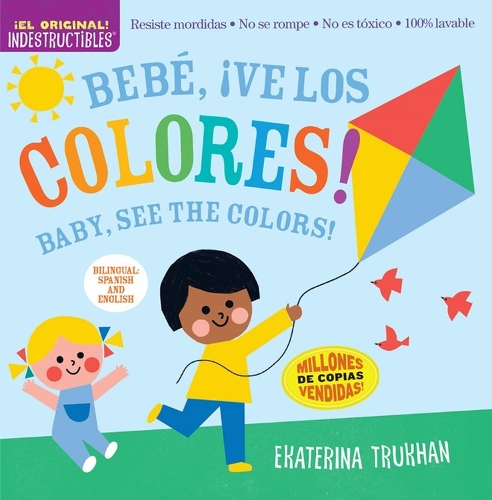
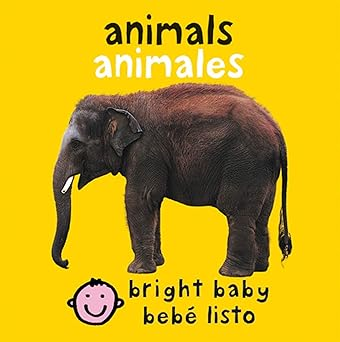
- Keep board books in all family languages within reach
- Play music or the radio in your language for active listening (not in the background)
Tip: You don’t need to narrate everything. One parent–one language works well, but mixed-language households work too if input is consistent.4
The Bedroom / Nursery: Emotional Language Gold
Repeated routines before bed build strong emotional links to a language even before understanding. What you can do:
- Use your heritage or minority language for bedtime stories
- Repeat the same goodnight and good morning phrases
- Sing the same lullaby in the same language each night
Related: The One Parent One Language Method: Does It Work, and What Happens When It Doesn’t?
The Kitchen: Low Effort, High Impact
The kitchen is ideal for natural repetition. This is where language sneaks in without trying. What you can do:
- Talking while you cook
- Feeding commentary (“here is your spoon”, “milk,” “all gone,” “warm”)
Later, meals become natural conversation anchors
The Bathroom & Changing Area: Surprisingly Powerful
You will change approximately one million nappies. You might as well get something out of it. Short, repeated interactions are exactly how babies absorb language patterns. What you can do:
- Stick to one language during nappy changes or bath time
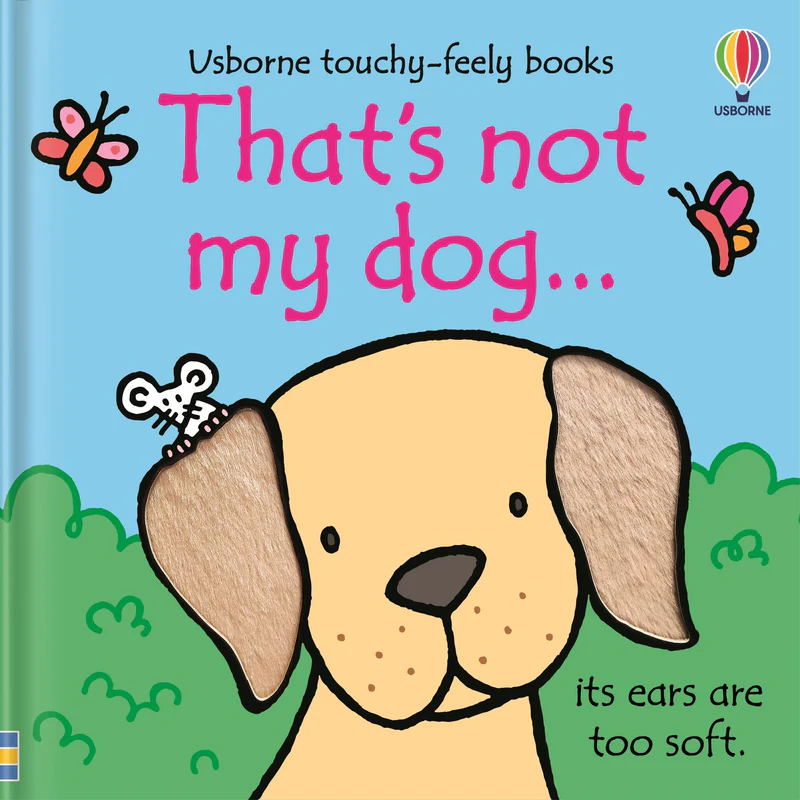
- For older babies who can hold, allocate 1-2 light sensory books and use the same phrases “here is your book”, “hold it please.”
- Name body parts consistently
Common mistakes to avoid
- Do not wait until they’re older. Birth is the easiest time. Their brains are primed for multiple languages at the moment.
- Switching strategies every week. Pick one approach and stick with it for several months before adjusting.
- Do not rely on apps and screens. Nothing replaces human interaction. Your face, voice when you talk or sing, and responses matter most.
- Do not panic about language mixing. Code-switching is normal and shows advanced processing, not confusion.
Key Takeaways
- Creating a bilingual home for your baby isn’t about Pinterest-perfect setups or expensive programs. It’s about weaving both languages into the daily rhythms of family life: the nappy changes, the feeding sessions, the bedtime stories, the kitchen commentary.
- Your newborn’s brain is built for this. Start now, choose a consistent approach, and trust that small daily exposures accumulate into bilingual fluency over time.
- You don’t need perfection. You need presence, consistency, and the willingness to keep going even when it feels hard. You’re doing better than you think.
Quick answers to common questions
When is the best time to start talking 2 or more languages to a baby?
Birth is ideal as there is no resistance, no self-consciousness, and maximum brain plasticity. It is much easier to read a book to a baby rather than a wiggly toddler.
How much daily exposure is needed?
Research suggests children need roughly 20-30% exposure to each language for active bilingual development (about 15-25 hours per week in the minority language), though this is a guideline, not a guarantee. Quality of interaction matters as much as quantity, and every child’s journey is different. Resource: https://pmc.ncbi.nlm.nih.gov/articles/PMC6168212/
What if I miss days?
You will miss days. It still works. Consistency over time matters more than perfection.
Do I need to be fluent?
No. Even basic exposure helps. Lean on native speakers (grandparents, friends, media) to supplement your efforts.
Related: Responding to Your Bilingual Baby: Which Language To Use?
- From melody to language: Speech development in babies (2021). University of Würzburg ↩︎
- What Clinicians Need to Know about Bilingual Development (2015). Seminars in Speech and Language ↩︎
- What Clinicians Need to Know about Bilingual Development (2015). Seminars in Speech and Language ↩︎
- How do parents think about multilingual upbringing? Comparing OPOL parents and parents who mix languages (2023). Journal of Multilingual and Multicultural Development ↩︎
- Bilingual Language Development in Infancy: What Can We Do to Support Bilingual Families? (2022). Policy Insights Behav Brain Sci.
↩︎
About Author
Maria Ivanova is a bilingual parent raising a two-year-old in multiple languages in the UK. She’s not a qualified professional, and everything here comes from her real experience. The content provided here is for informational and entertainment purposes only and should not be considered professional advice. If you have concerns about your child’s language development or any developmental milestones, please consult with qualified professionals.
By reading this blog, you acknowledge that you are responsible for your own parenting decisions and that this site is not liable for any outcomes resulting from information shared here.