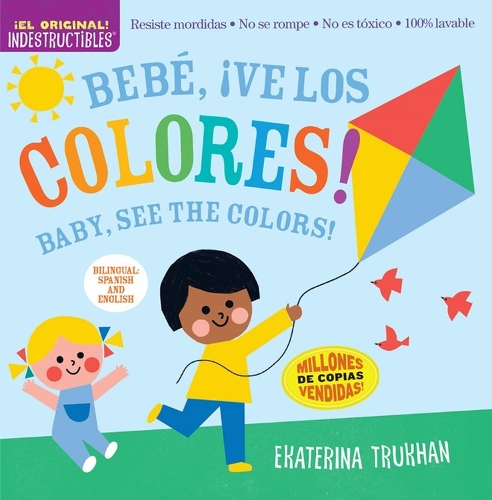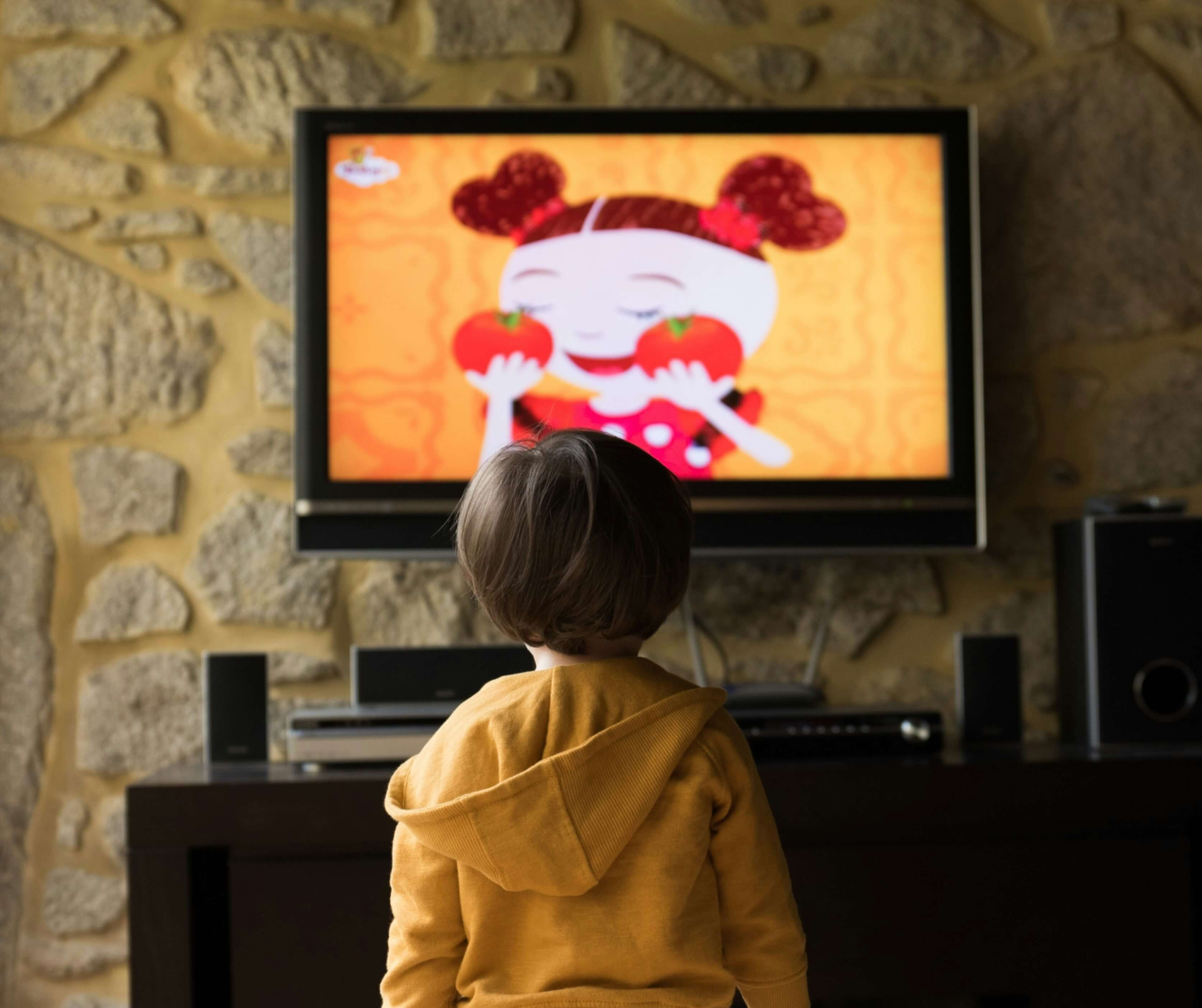
So, your toddler has officially discovered that screens exist, and Hey Duggie is now essentially the centre of their universe. Now you’re standing there with the remote, overthinking everything: Should the audio be in English? Spanish? Should I rotate them? Am I accidentally tanking their bilingual brain because I picked the “wrong” language?
Here’s the reality: screen time for a bilingual kid isn’t about finding a magic “perfect” ratio. It’s about being strategic so that those 20 minutes of peace support their development instead of just being digital babysitting.
TL;DR
- Screens don’t teach; they supplement. A tablet isn’t a tutor. It only works if you’re talking to them about what they see.
- Lean into the “Minority” language. If they hear English all day at daycare, use the TV to balance the scales with your heritage language.
- Watch together. “Co-viewing” (the fancy term for sitting on the couch and chatting about the show) is the secret sauce.
- Consistency is key. It’s better to keep Bluey in English and Pocoyo in Spanish than to flip-flop the same show every day.
What the Research Says (Minus the Boredom)
Let’s be real: screens aren’t language teachers. Toddlers learn by babbling at a human and having that human respond. A TV doesn’t care if a kid points at the screen and yells “Doggy!” It just keeps playing.
However, screens are great for one thing: Native-speaker input. If your Spanish is a little rusty or you’re worried about your accent in Polish, high-quality cartoons provide the natural phrasing and “proper” pronunciation that you might feel self-conscious about.
Which Language Should You Choose?
1. Prioritize the Heritage Language
If you live in an English-speaking country, your kid is going to get English everywhere—the playground, the shops, even the overheard conversations at Lidl. They don’t need Peppa Pig in English.
Your strategy: use screen time exclusively for the language they hear least during the day. If they’re at an English nursery for 8 hours, 30 minutes of Polish cartoons at home helps bridge that gap.
2. The “One Show, One Language” Rule
Toddlers love routine. If you want to use both languages, assign them to specific characters.
- Bluey = English.
- Pocoyo = Spanish.
Why? It helps them build associations. They learn that certain “people” speak certain languages, which mirrors real life (like how Grandma speaks Italian but the neighbour speaks English).
How to make it useful
Passive watching is just “zoning out.” To make it learning, get involved. Narrate: “Oh look! The dog is running! Where is he going?” Ask questions: “What colour is that car?” Repeat the catchphrases: if a character says “¡Buenos días!“, repeat it back to them.
I know, I know. You usually put the TV on so you can finally unload the dishwasher in peace. But even 10 minutes of watching with them is worth more than an hour of them staring at the screen alone.
| Strategy | Best For | Keep In Mind |
|---|---|---|
| Minority Language Only | Balancing out a “majority” environment (like living in the US/UK). | They might resist as they get older and want to watch what friends watch. |
| Specific Language per Show | Families who want active exposure to both. | You must be strict: don’t change the settings once you’ve made a choice. |
Common Traps to Avoid
- Do not treat TV as a teacher. It’s a tool, not a tutor. You still have to do the heavy lifting of talking.
- Do not use TV as a background noise. If the Spanish TV is in the background while they play with mega blocks, they aren’t actually absorbing the language.
- Do not mix languages of the same show. Watching Bluey in English on Monday and Spanish on Tuesday is just confusing. Pick a “personality” for the show and stick to it.
- Avoid overstimulating fast-paced modern cartoons with scenes that change every 3-4 seconds. Children who watch the fast-paced television cartoon perform significantly worse on the executive function tasks than others3. Choose the cartoons you grew up on or even older ones.
Quick answers to common questions
What if my baby only responds in one language?
Keep responding in both languages. Receptive understanding develops before productive speech. They understand more than they speak.
Should I pretend not to understand when they use the “wrong” language?
No. This creates frustration and damages communication. Always acknowledge what they’re saying, then model it in your language.
How do I respond when my partner is speaking to the baby in their language?
Don’t interrupt or translate. Let them finish their interaction, then respond in your language when the baby turns to you.
What if I accidentally respond in the wrong language?
It happens. Don’t make a big deal of it. Just continue in your target language for the rest of the conversation. One slip doesn’t matter.
Key takeaways
Screen time won’t make your toddler bilingual, but it’s a great tool to have in your kit. Prioritize the language they hear the least, sit down with them when you can, and don’t sweat the small stuff.
If they become obsessed with an English-speaking cartoon dog and refuse everything else? Pick your battles. What really counts is the everyday chatting you do with them, that matters a billion times more than whatever’s playing on the iPad.
Did you like this article? Read How to Set Up a Bilingual Home Environment for Your Newborn.
- To grow up healthy, children need to sit less and play more. WHO ↩︎
- Toddlers spending two hours on screens a day. (2026) University College London ↩︎
- The Immediate Impact of Different Types of Television on Young Children’s Executive Function (2011). Pediatrics ↩︎
About Author
Maria Ivanova is a bilingual parent raising a two-year-old in multiple languages in the UK. She’s not a qualified professional, and everything here comes from her real experience. The content provided here is for informational and entertainment purposes only and should not be considered professional advice. If you have concerns about your child’s language development or any developmental milestones, please consult with qualified professionals.
By reading this blog, you acknowledge that you are responsible for your own parenting decisions and that this site is not liable for any outcomes resulting from information shared here.